BOSTON — A historic discovery was made at Granary Burying Ground as the City announced Thursday that the restoration of a nearly 300-year-old gravestone belongs to a free black man from Boston who died in 1728 or 1729.
This historic burial site is home to Paul Revere and others who signed the Declaration of Independence.
“The rediscovery of Boston’s gravestone, likely one of the oldest markers of a free Black person in America, is a significant moment in our city’s history. Through the preservation of names and stories, we are restoring agency, dignity, and humanity to people and communities who have shaped our city and have too often been erased. Sharing the story of Boston, a man remembered as both loved by his neighbors and respected in his community, deepens our understanding of American history,” said Mayor Michelle Wu. “I’m grateful to our Granary Burying Ground conservation team and partners for their critical work in helping our residents, families and visitors engage with a fuller account of our past.”
This discovery was made during a conservation project led by the Boston Parks and Recreation Department’s Historic Burying Ground Initiative. This headstone bore the name “Boston” on it.
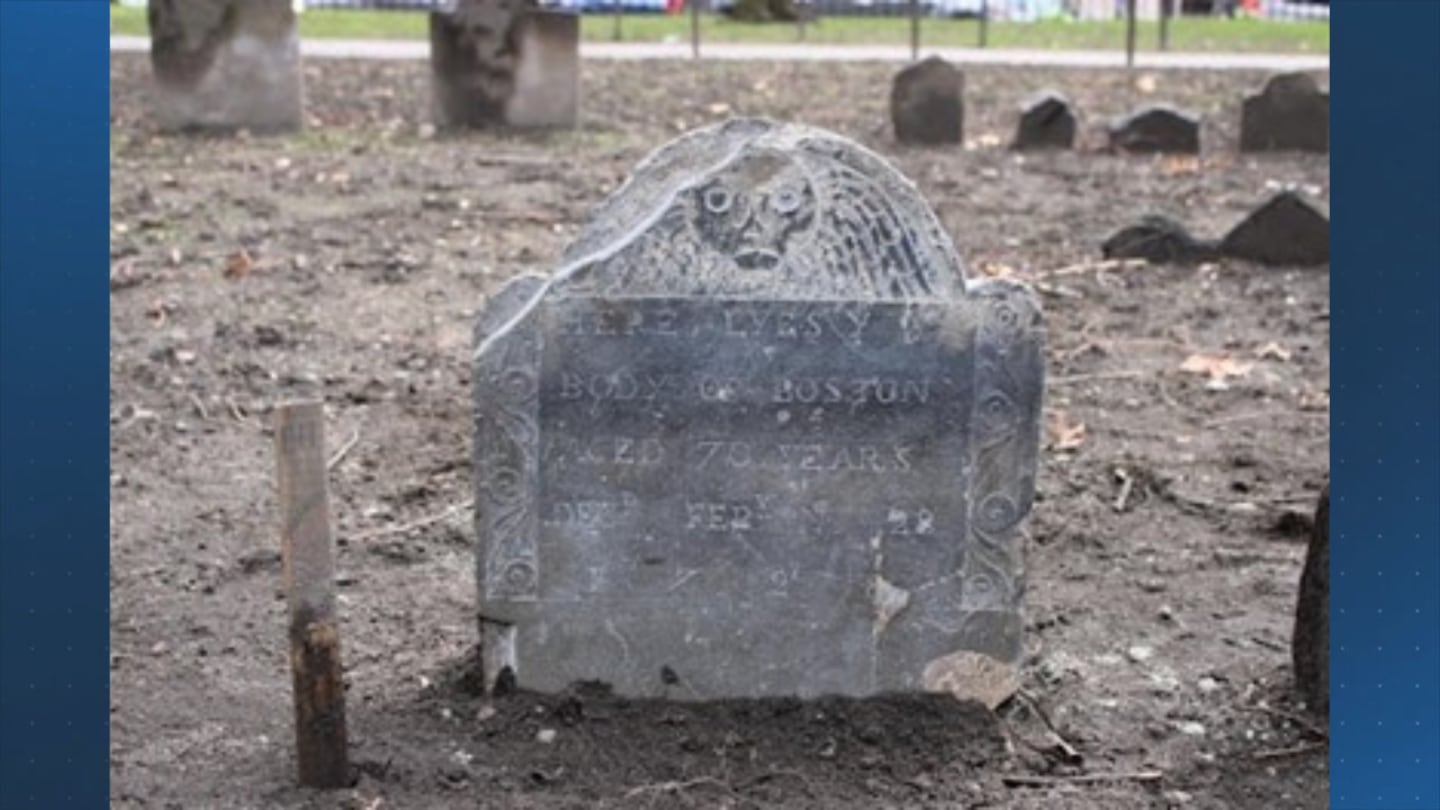
Research connected the gravestone to the life of Sebastian, a man who was previously enslaved. His story is shared in a 2024 book called ‘Belonging: An Intimate History of Slavery and Family in Early New England,’ written by Glorida McCahon Whiting.
Through records the man remembered as “Boston” and Sebastian was the same man. Researchers say his name likely transitioned from Sebastian to Bastian to Boston over the years.
“The rediscovery of this gravestone highlights the important role of historic preservation and the historic burying grounds in bringing to light overlooked stories in the City’s rich history,” said Kelly Thomas, Director of Historic Burying Grounds. “Learning more about Sebastian/Boston’s life illustrates the complex, multicultural and multiracial society that created the conditions from which the American Revolution was born.”
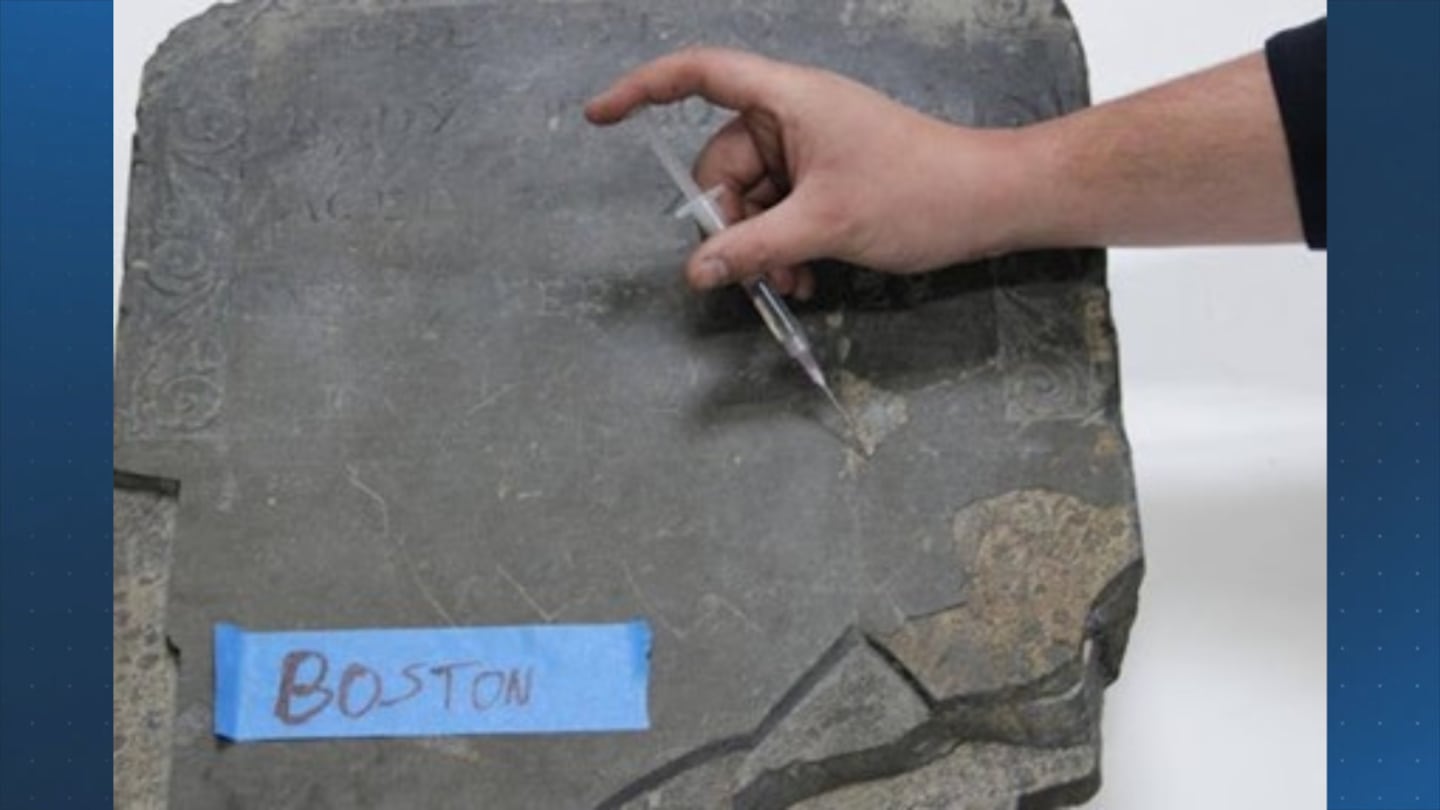
Historical records show “Boston” was known for being a respected person in society.
An obituary from the New England Weekley Journal in 1729 read “He having born the character of a sober, virtuous liver, and of a very trusty, honest, and faithful servant to all that employed him, and having acquired to himself the general love and esteem of his neighbors by a readiness to do any good offices in his power for everyone; his funeral was attended with uncommon respects, and his death much lamented.”
“Boston lived a life of influence. As a young man in bondage, he cultivated white allies in his years-long campaign to obtain a legal marriage to his wife, who was also enslaved. Evidence suggests that his advocacy helped inspire both the publication of New England’s earliest antislavery tract and the passage of legislation in Massachusetts supporting marriage rights for the enslaved,” said Gloria McCahon Whiting, author of Belonging: An Intimate History of Slavery and Family in Early New England. “Boston would later obtain his freedom and father six children, whom he baptized in a local church and supported economically. When he died in 1729, Boston left a community bereaved; over the course of his life, he had built intimate relationships with neighbors from all walks of life, ranging from people in bondage to those of great wealth and political power.”
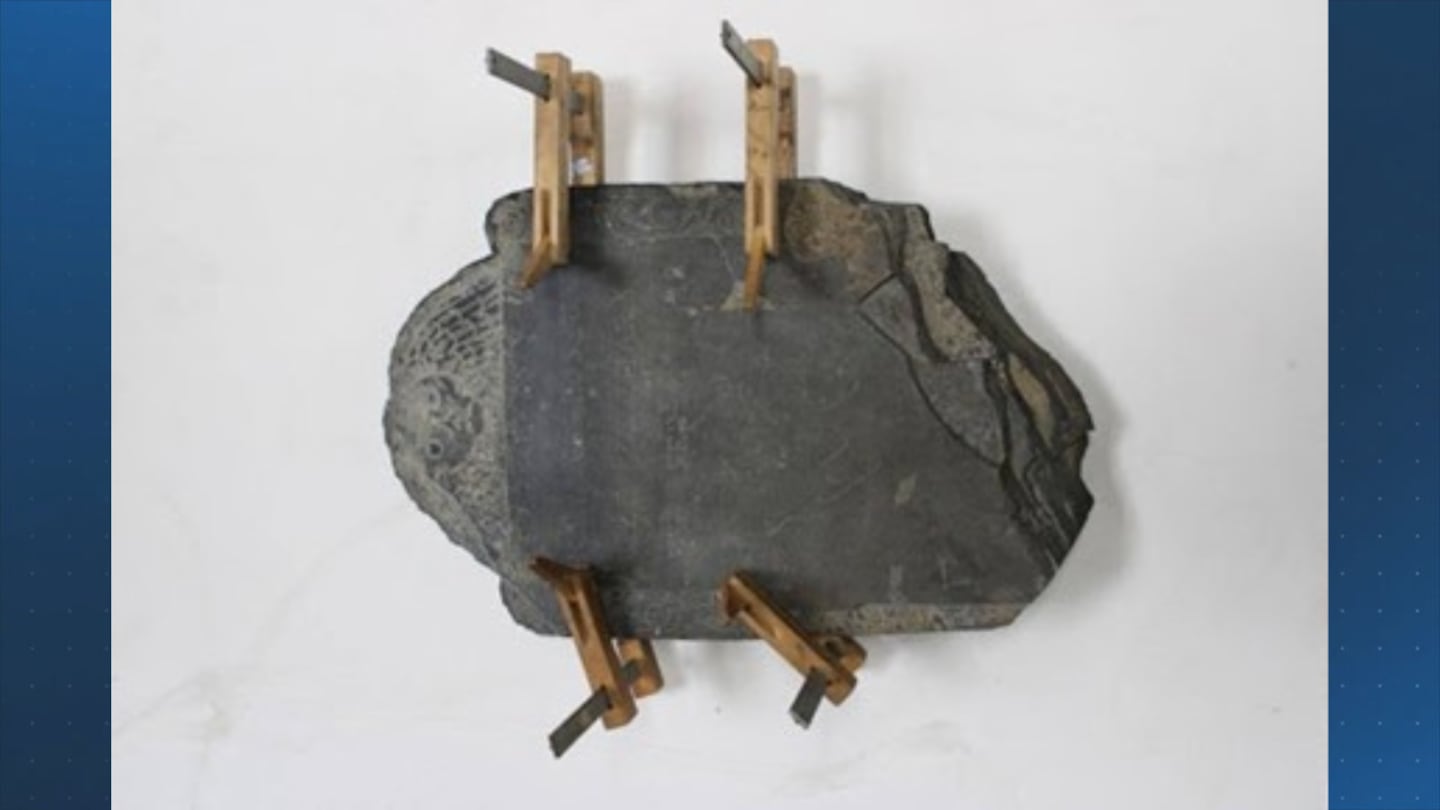
Conservationists say the gravestone was partially buried and was damaged by weathering for centuries. It was cleaned and repaired to prevent it from further deterioration.
This is a developing story. Check back for updates as more information becomes available.
Download the FREE Boston 25 News app for breaking news alerts.
Follow Boston 25 News on Facebook and Twitter. | Watch Boston 25 News NOW
©2026 Cox Media Group
/cloudfront-us-east-1.images.arcpublishing.com/cmg/7QOJU3BNCJERBNKJC5LWTBYFLU.png)


