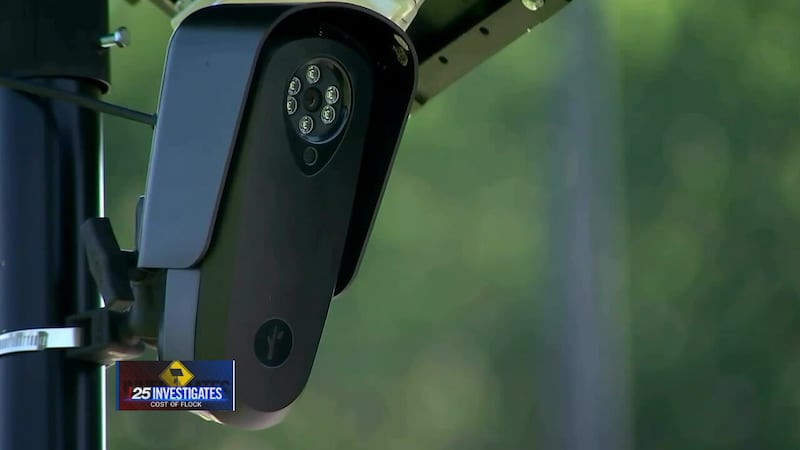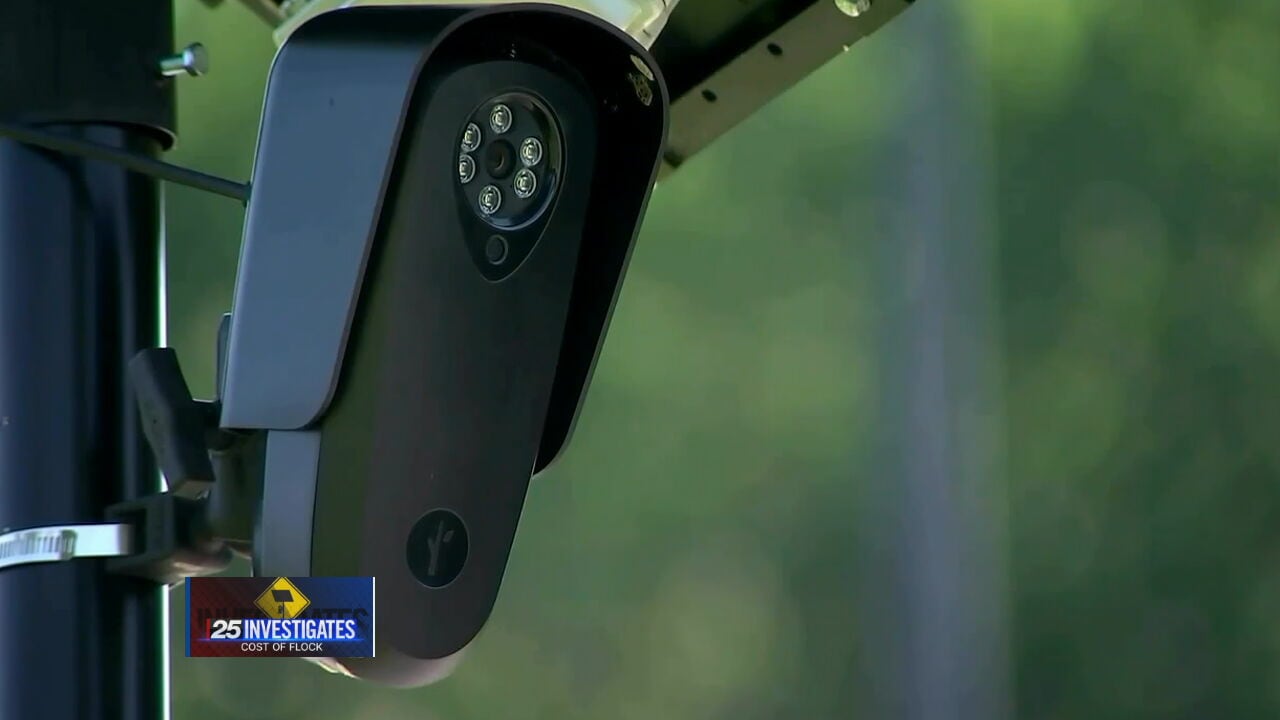
Massachusetts police departments spent thousands of dollars to install and activate Flock cameras in their communities, only to ditch them months later.
25 Investigates examined Flock contracts in dozens of cities and towns and talked to local police and privacy advocates. We found the fight over whether these cameras keep communities safe or go too far is only intensifying.
The controversy stretches from the South Shore to the North Shore and South Coast.
Automated license plate readers quickly went up in communities across the state, hailed by police as an important new investigative tool.
Quincy Police Chief Mark Kennedy described the technology in sweeping terms.
“It’s probably the most significant improvement in law enforcement since DNA,” Kennedy said.
But just as quickly, the cameras were flagged by critics as government overreach and an invasion of privacy.
According to the ACLU, at least 40 Massachusetts communities have ditched Flock cameras since September 2025.
Police searches by offense type
Searches by offense type (select one to filter the table)
Search log
Times are shown in UTC. Names, user IDs, case numbers, plates and search filters are not included.
So, what happened?
Abington Police Chief John Bonney told 25 Investigates he believes misinformation about the technology played a role.
“There was a massive sort of misinformation campaign going on. And I literally brought people into my building and showed them how it worked...” Bonney said.
Abington operated six Flock cameras before shutting them off in August.
Bonney said the cameras do not provide police with the type of surveillance capabilities some people fear.
“It’s just a picture of the back of a car that’s it there’s no people there’s no facial recognition it doesn’t tell us where you are going a hundred feet down the road,” Bonney said.
He said the cameras helped Abington police find stolen cars, solve hit-and-runs and even bust a gun-smuggling ring that originated in Rhode Island.
25 Investigates asked Bonney whether there were any cases he could confidently say would not have been solved, or would have been much less likely to have been solved, without a Flock camera.
“No. But it makes it a lot harder,” Bonney told Boston 25’s Kerry Kavanaugh.
Quincy Police Chief Mark Kennedy called Flock Safety a game changer.
“In any real major investigation, that’s the first tool that they go to,” Kennedy said.
Kennedy said Flock cameras helped his department locate kidnapping victims, identify shooting suspects and solve homicides.
“We’re not surveilling people, we’re not surveilling the citizens of Quincy,” Kennedy said.
Cases of alleged misuse
But abuse of the technology has been documented in some Massachusetts communities.
Records obtained by 25 Investigates show former Braintree officer Mark Sherrick used the department’s Flock camera system to search a license plate associated with his ex-girlfriend more than a thousand times.
The records show 1,049 searches.
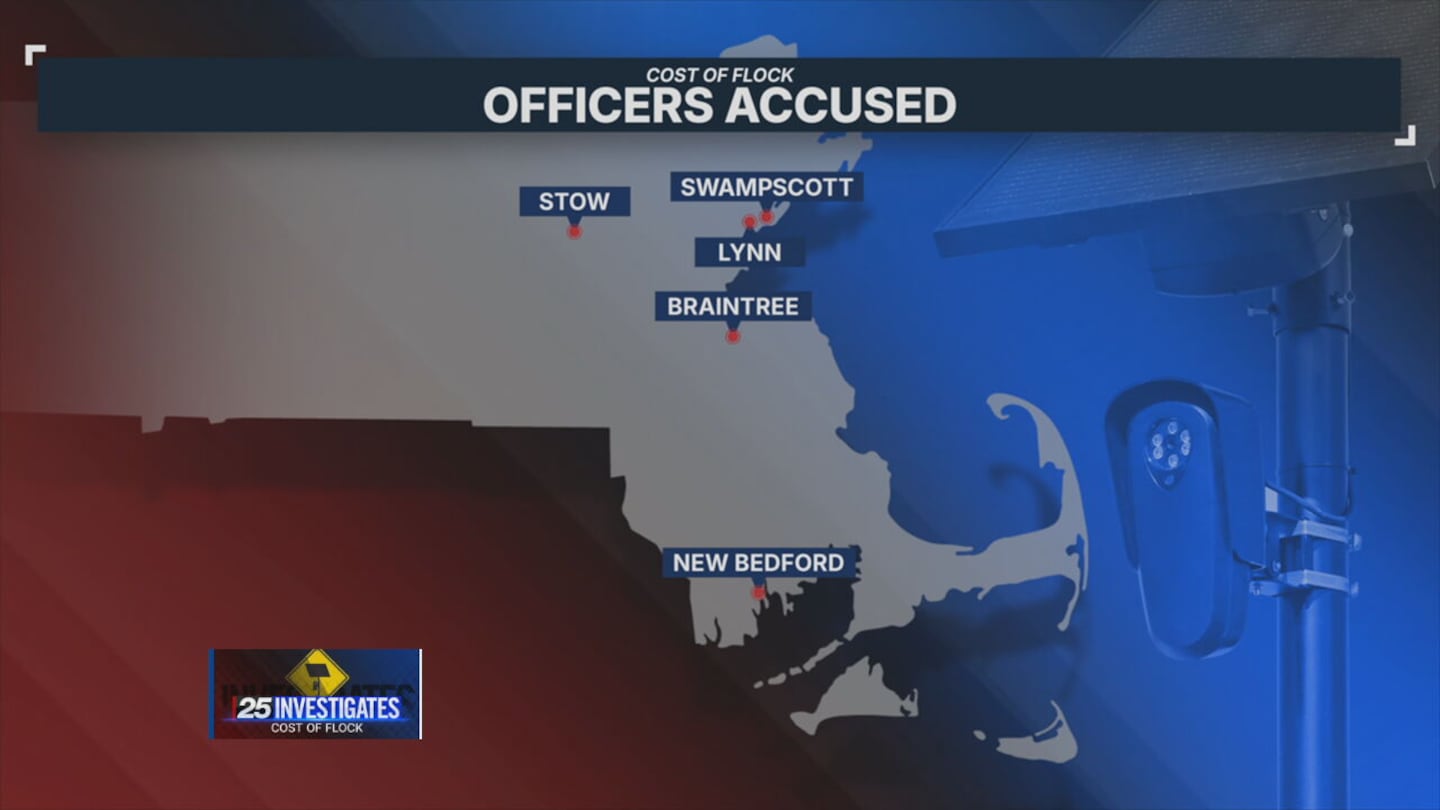
Officers in Stow, New Bedford, Lynn and Swampscott are on leave or have resigned over similar allegations of using Flock for personal reasons.
Kade Crockford, director of the Technology for Liberty Program at the ACLU of Massachusetts, argues the concerns go beyond individual cases of alleged misuse.
“They are designed to track everyone on the road. They are not designed to only track cars that police are associated with people that police suspect of crimes ,” Crockford said.
“That is dragnet surveillance.”
Crockford told 25 Investigates that Flock cameras were activated without community input, which came at a cost to public trust and public coffers.
Communities spent thousands before dropping Flock
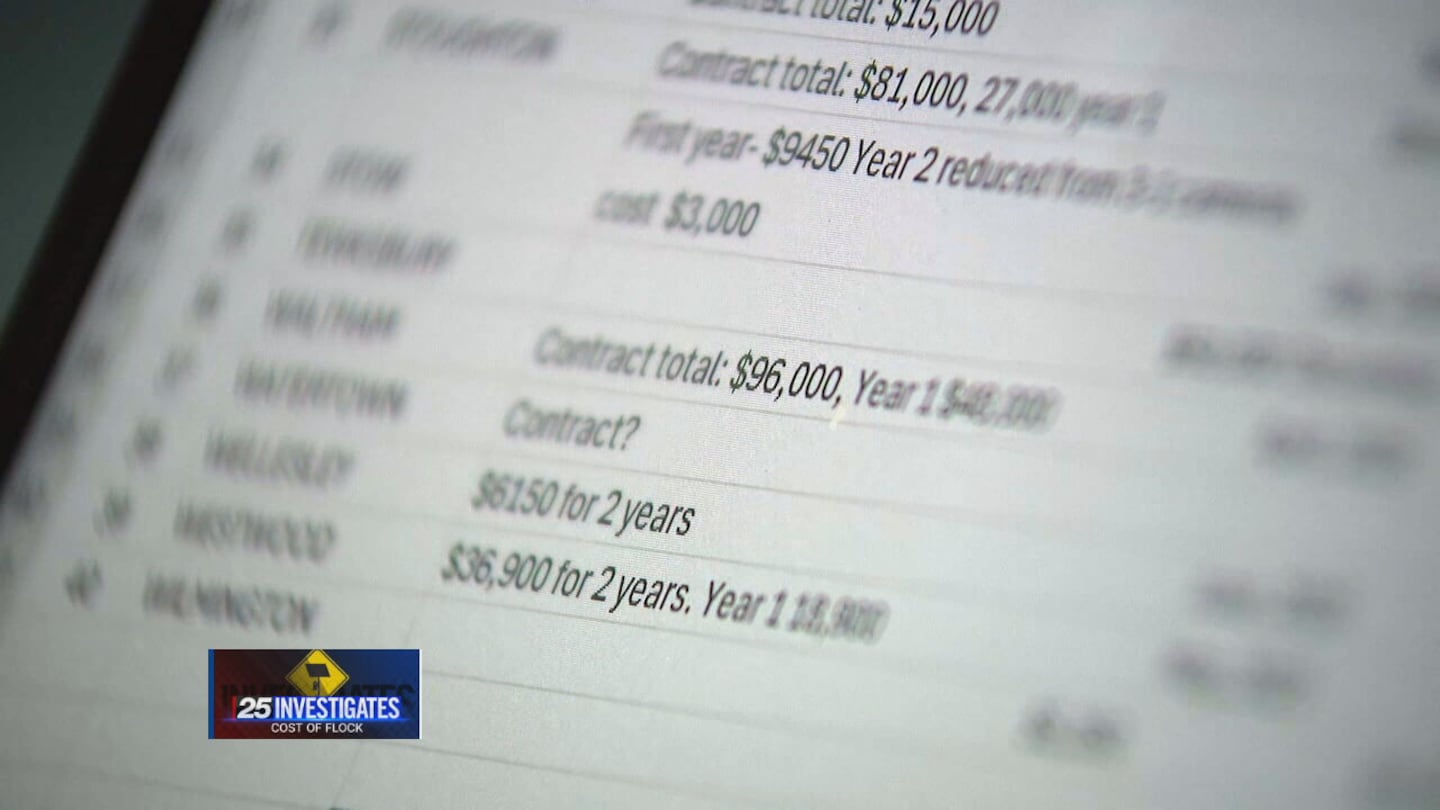
25 Investigates reached out to communities that ditched Flock to find out how much they spent on the technology in the first place. We found contracts ranging from a few thousand dollars to tens of thousands, depending on the number of cameras. Many communities told us they used federal grant money, which is still funded by taxpayers.
25 Investigates took those concerns directly to Flock Safety.
“It’s ultimately their decision, but it’s a shame at the end of the day because we, again, believe that everybody should be safe in their communities,” said Jalen Johnson, a Flock government relations manager.
Johnson said Flock has safeguards in place to identify misuse.
“At Flock, we’ve always been accountable and transparent from the beginning,” Johnson said.
Johnson said all Flock searches are documented as a permanent record and that the company mandates audits of system usage, which he said helps identify bad actors.
“The benefits outweigh the risk each and every day,” Johnson said.
Police, civil rights advocates look to Beacon Hill
To offset the risk, police departments are enacting internal safeguards around the use of and access to Flock systems.
Many are also looking to state lawmakers to make the next move.
“That’s always my hope to have some reasonable legislation and this stuff can come back. But it isnt going away,” Bonney said.
The ACLU expects legislation in the next session that will provide broader parameters and regulations governing how law enforcement can use Flock.
25 Investigates will follow any developments on Beacon Hill.
Download the FREE Boston 25 News app for breaking news alerts.
Follow Boston 25 News on Facebook and Twitter. | Watch Boston 25 News NOW
©2026 Cox Media Group