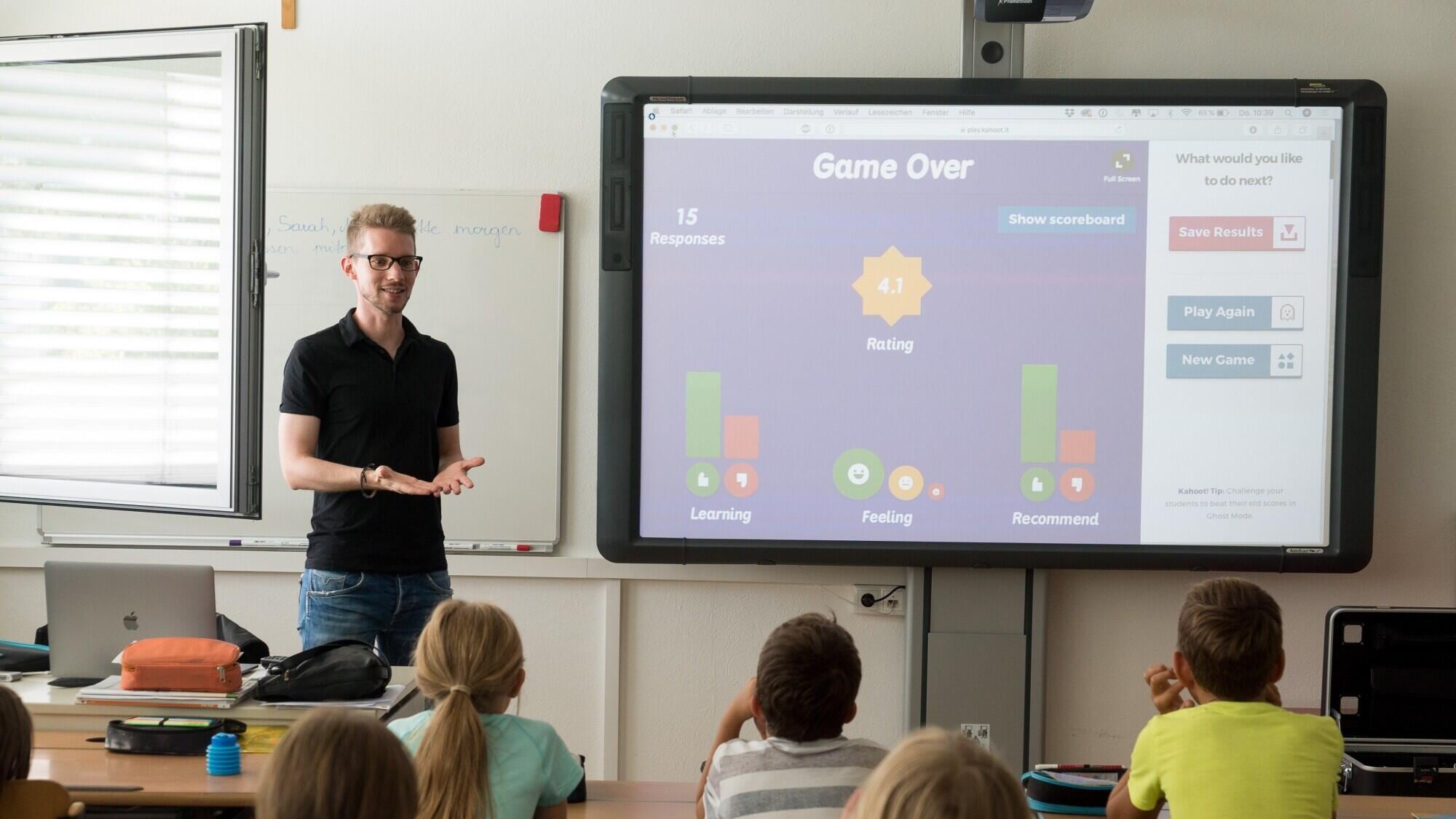
Balanced classroom engagement means more than getting students to talk. Teachers are looking for fair, simple ways to help more students feel seen, included, and ready to take part without turning every lesson into a performance.
Every teacher knows the moment when a room goes flat. Eyes drift. Hands drop. The same three voices carry the discussion.
More schools are now paying attention to balanced participation. A classroom can be calm and still lack real engagement. A lesson can be active and still leave some students out.
Strong classroom engagement gives students more than a chance to speak. It gives them structure, safety, choice, and a reason to care.
Teachers who plan for balance can build lessons where more students contribute in small, steady ways. Better engagement often starts with simple changes, not a full lesson redesign.
What Is Classroom Engagement?
Classroom engagement is the level of attention, interest, effort, and involvement students bring to learning. It includes what teachers can see, such as:
- Discussion
- Note-taking
- Group work
It also includes what teachers cannot always see, such as:
- Curiosity
- Confidence
- Mental effort
A quiet student may be deeply engaged. A talkative student may still be off task. A student who completes work may not be thinking deeply about the material.
Teachers often look at three areas:
- Behavior during lessons
- Emotional connection to the class
- Mental effort during tasks
Balanced engagement means teachers do not reward only the fastest answer or loudest voice. They create more ways for students to show understanding.
How Can Teachers Make Classroom Engagement More Balanced?
Teachers can make classroom engagement more balanced by building routines that spread participation across the room. These can all help more students join the lesson:
- Random selection
- Partner talk
- Written responses
- Quick polls
- Small groups
- Reflection moments
Fairness matters. Students often notice when the same classmates get called on each time.
Random tools and structured turns can reduce that pattern. Some teachers use a Picker Wheel, yes or no wheel, during quick decision points, review games, or warm-up questions to make the process feel more neutral.
Balanced engagement also protects students who need more thinking time. A short pause before answers can help quieter learners prepare. Partner talk before the whole-class discussion can make speaking less stressful.
Why Balanced Participation Matters During Lessons
Uneven participation can shape the tone of an entire classroom. Students who rarely speak may begin to believe their ideas do not matter. Students who always answer may carry too much of the lesson.
Balanced student engagement in the classroom helps teachers see what more students understand. It also helps students hear different points of view.
Teachers can support balance by using:
- Turn-and-talk moments
- Exit tickets
- Small group roles
- Quick written responses
- Student-led examples
Short routines make a difference:
- A teacher may give students one minute to write an answer before the discussion begins.
- A teacher may ask students to compare answers with a partner.
- A teacher may invite a few students to share.
Better engagement often comes from better pacing, not louder activities.
Student Voice Should Not Depend on Confidence Alone
Confidence is not the same as understanding. Some students are ready to speak in front of the class. Others need a smaller setting first.
Teachers can help more students participate in class when they offer multiple ways to respond. Speaking can be one option. Writing, drawing, sorting cards, solving problems, or using hand signals can also show learning.
First Weeks of School Can Set the Pattern
The beginning of the school year is an important time to build fair routines. Strong first day of class activities can help students:
- Learn names
- Share interests
- Understand how discussion will work
Early student activities should do more than fill time. They should teach students how the classroom will operate.
Useful opening routines may include:
- Interest surveys
- Partner interviews
- Low-pressure group tasks
- Classroom agreement discussions
- Short reflection prompts
Early routines can also help teachers spot who needs support.
Some students may need help joining groups. Others may need clearer directions. Some may need private encouragement before public participation.
A balanced start can make later lessons easier. Students learn that engagement is not random. Participation becomes part of the class culture.
Classroom Tools Should Support the Lesson
Tools should not replace teacher judgment. They should support clear goals. Digital tools can help teachers:
- Collect answers
- Randomize turns
- Check understanding
- Build review games
A tool works well when it helps the teacher answer a practical question:
- Who has not spoken yet?
- Which students need another example?
- Which concept needs review?
- Which activity is losing focus?
Strong classroom tools often help with:
- Quick checks
- Student choice
- Fair turns
- Group roles
- Review questions
Frequently Asked Questions
Why Do Some Students Avoid Participating Even When They Know the Answer?
Some students need more time to process the question. Others avoid public answers because they fear:
- Being wrong
- Being laughed at
- Sounding different from their peers
Teachers can help by using wait time, written warm-ups, and partner rehearsal before whole-class sharing. Private praise and low-stakes tasks can also build trust. Participation grows when students believe the classroom is safe.
How Can Teachers Improve Engagement Without Adding More Work?
Teachers can reuse simple routines across lessons. A two-minute reflection, a partner question, or an exit ticket can fit into many subjects.
Repeated routines save planning time because students already know what to do. Teachers can also rotate a few reliable methods instead of creating new activities each day. Consistency often lowers stress and improves follow-through.
What Makes Engagement Feel Fair to Students?
Engagement feels fair when students understand how turns are chosen and why activities matter. Random selection can help, but it should not embarrass students.
Clear roles, partner time, and multiple response options also support fairness. Students are more willing to join when they see that participation is shared, respectful, and tied to learning.
Keep Classroom Engagement Balanced With Better Lesson Planning
Balanced classroom engagement helps students feel included, respected, and ready to learn. Teachers do not need complicated systems to make participation fairer. Clear routines, student choice, active learning, and thoughtful classroom tools can help more students take part.
Explore our other guides and articles for more education news, classroom planning tips, and practical teaching insights.
This article was prepared by an independent contributor and helps us continue to deliver quality news and information.
/cloudfront-us-east-1.images.arcpublishing.com/cmg/7QOJU3BNCJERBNKJC5LWTBYFLU.png)


