
BOSTON- — A small team from a Wellfleet-based company is lending assistance in the dire search for a submersible that vanished near the wreckage of the Titanic earlier this week.
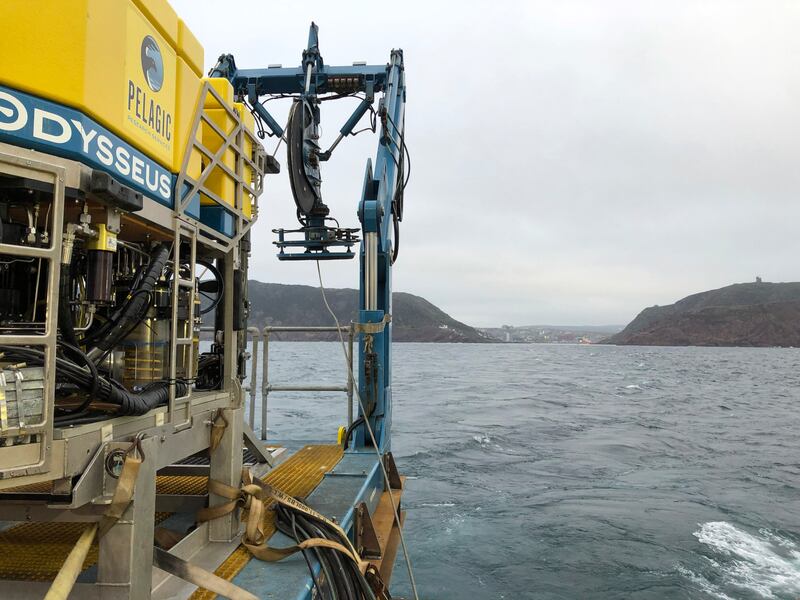
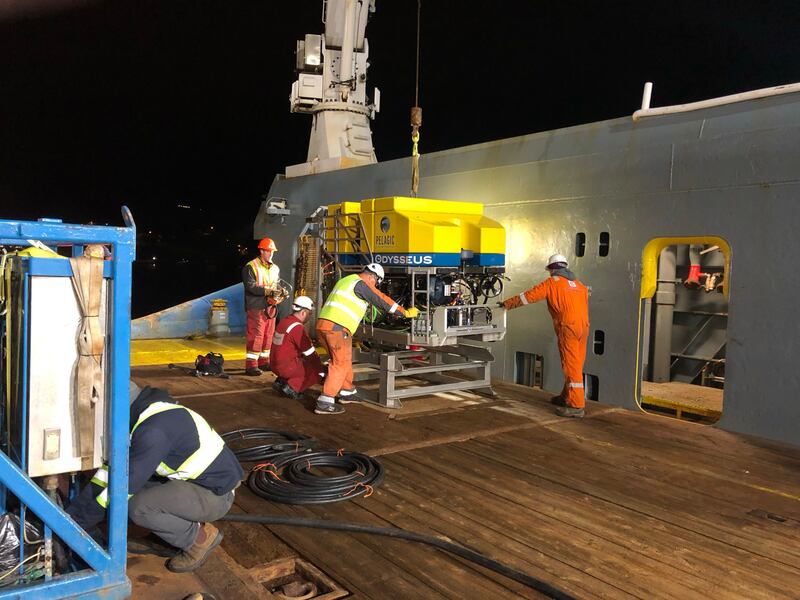
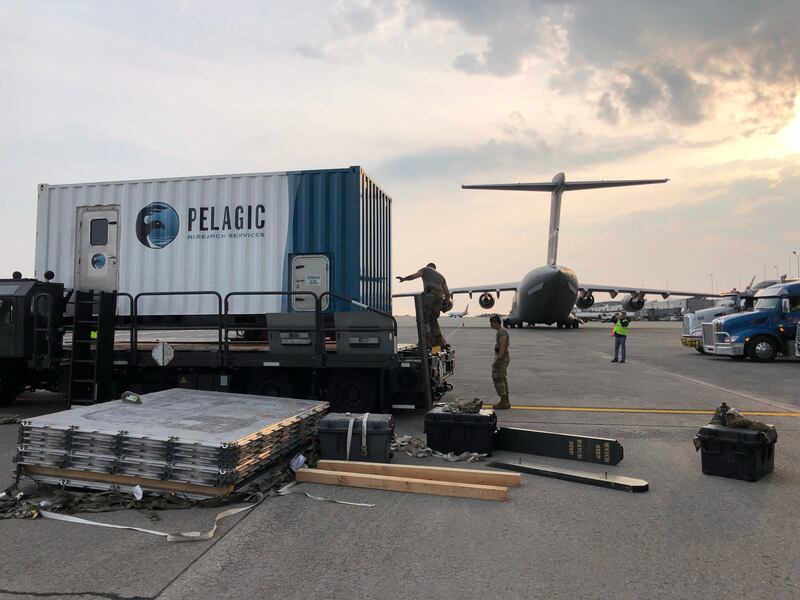
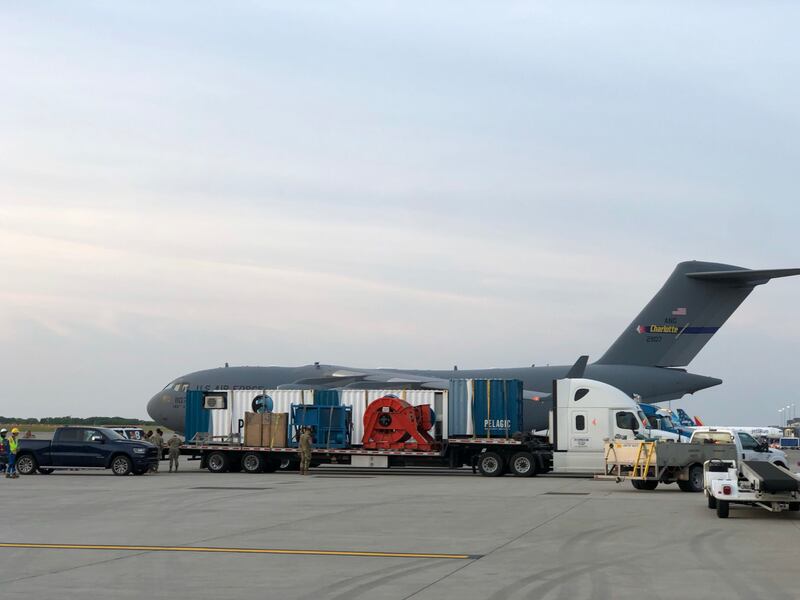
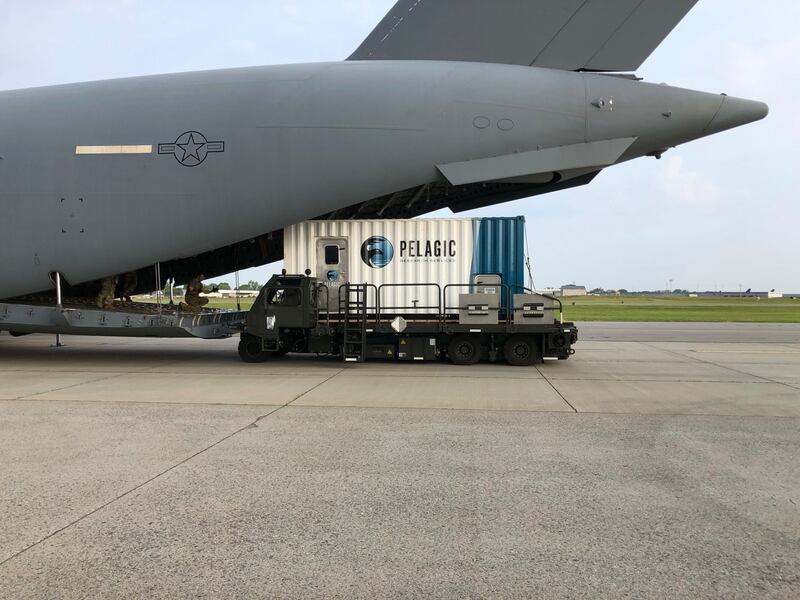
The team from Pelagic Research Services will operate the Odysseus 6K, an unmanned machine that can reach depths of up to 19,000 feet, one of the few ROVs able to withstand such a journey.
The Titan, a 21-foot submersible owned by OceanGate Expeditions, lost contact with the ship that had launched it about an hour and 45 minutes into a dive on Sunday. Since then, officials and commercial vessels from the U.S. and Canada have combed a 10,000-square-mile area for signs of the Titan.
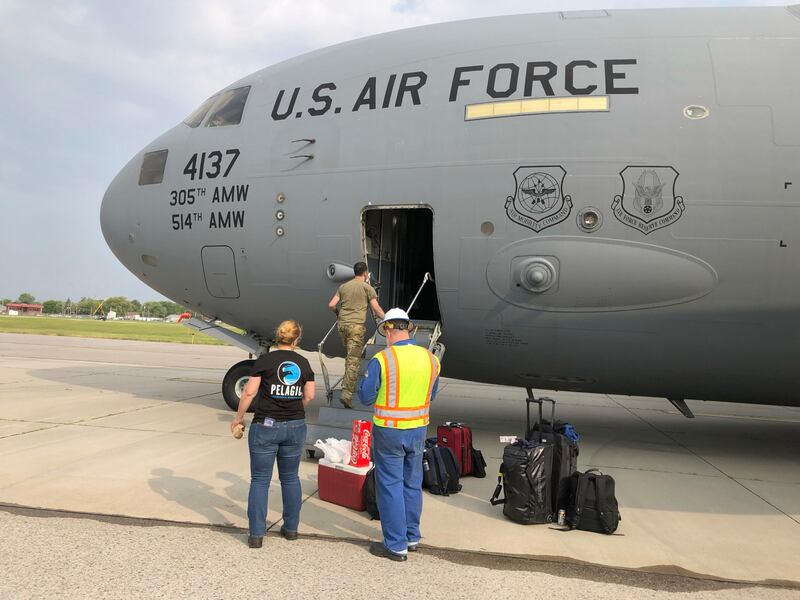
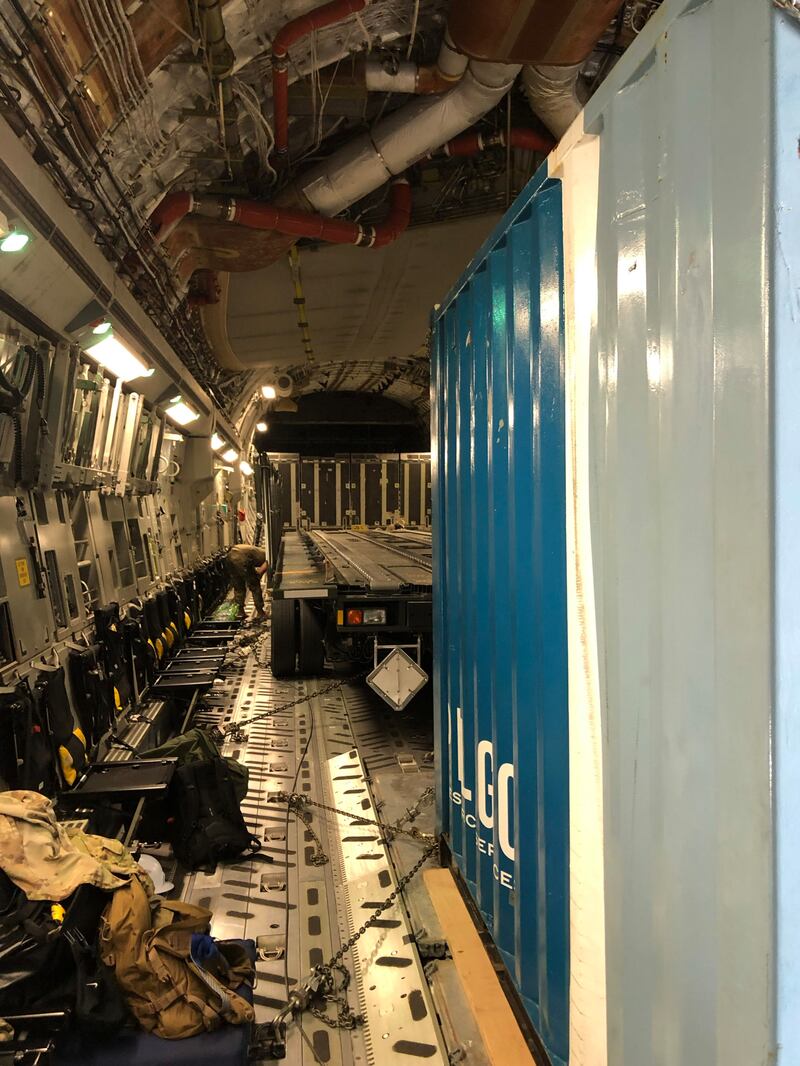
After being contacted by OceanGate, the crew manning the Odysseus 6K ROV was assembled and ready for deployment within 23 hours, a Pelagic Research Services spokesperson told Boston 25 News. On Tuesday, the team mobilized out of Buffalo, New York, arriving in St John’s in Newfoundland and boarding the Horizon Artic rescue ship early Wednesday morning.
“The effort of the Horizon Arctic team has been nothing less than extraordinary. Our PRS team has merged with the ship’s team to integrate the Odysseus 6K system to commence search and rescue,” Edward Cassano, CEO of PRS, from the Horizon Arctic.
PRS says they are in constant communication with the OCeanGate team.
Crews have searched an area twice the size of the state of Connecticut and 2.5 miles deep to find the Titan, Coast Guard officials said in a Wednesday news conference.
A Canadian aircraft detected underwater noises again on Wednesday, one day after planes first detected the sounds during the search for the Titan, U.S. Coast Guard Capt. Jamie Frederick said. Although officials admit they don’t know what the banging is, they are continuing to comb the area in the hope of tracking the noises and eventually the sub.
“What I can tell you is, we’re searching in the area where the noises were detected and will continue to do so, and we hope that when we’re able to get additional (remote-operated vehicles) — which will be there in the morning — the intent will be to continue to search in that area where the noises were detected in, if they’re continuing to be detected, and then put additional ROVs down in the last known position where the search was originally taking place,” said Frederick.
The Titan was attempting to dive on the wreck of the Titanic, which sank during its maiden voyage in 1912 after hitting an iceberg in the Atlantic Ocean. More than 1,500 died.
The wreckage of the ship sits about 380 nautical miles south of Newfoundland in Canada at a depth of about 12,800 feet.
0 of 16






Download the FREE Boston 25 News app for breaking news alerts.
Follow Boston 25 News on Facebook and Twitter. | Watch Boston 25 News NOW
©2023 Cox Media Group
/cloudfront-us-east-1.images.arcpublishing.com/cmg/7QOJU3BNCJERBNKJC5LWTBYFLU.png)


