
CONCORD, N.H. — Forensic experts have identified human remains found nearly four decades ago in Bristol, New Hampshire.
The remains were identified as Warren Kuchinsky, who was born in 1952 and was last known to be alive in the mid-1970s, Attorney General John Formella said in a statement. His identity was confirmed through DNA testing of a surviving family member.
There is no evidence of foul play associated with Kuchinsky’s death, Formella said.
“This identification reflects the power of partnership and scientific advancement,” Formella said. “The dedication of the Office of the Chief Medical Examiner, the investigative support of the New Hampshire State Police, and the extraordinary work of the DNA Doe Project have restored a name to an individual who had been unidentified for nearly 40 years. We are grateful for their professionalism and commitment.”
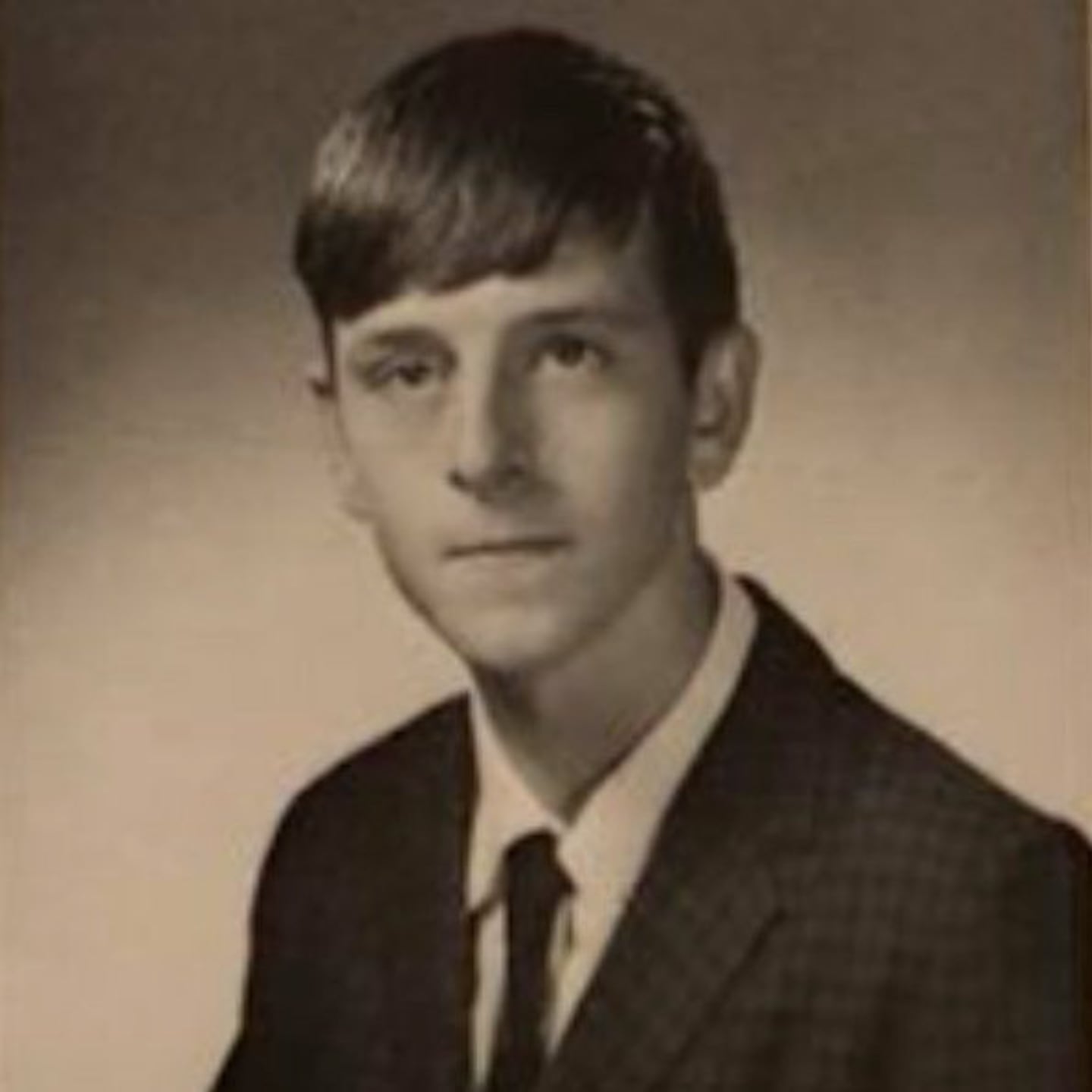
In 1986, a human skull was located in a wooded area of Bristol. Despite an investigation at the time, the person’s identity remained unknown, Formella said.
In 2025, the Office of the Chief Medical Examiner, assisted by the New Hampshire State Police and the University of New Hampshire Forensic Anthropology Identification and Recovery Lab, partnered with the DNA Doe Project to apply advanced forensic genetic genealogy techniques to the case.
The findings came about after law enforcement collaborated with the DNA Doe Project and the University of New Hampshire Forensic Anthropology Identification and Recovery Lab, Formella said.
“We are honored to have partnered with the State of New Hampshire on this case,” DNA Doe Project Team Leader Lisa Ivany said in a statement. “Through the power of investigative genetic genealogy and the dedication of our volunteer genealogists, we were able to develop a critical lead in less than 24 hours. We truly hope that this identification brings long-awaited answers to Mr. Kuchinsky’s family.”
The DNA Doe Project is a nonprofit organization that uses investigative genetic genealogy to help identify unidentified human remains.
Working in partnership with law enforcement, medical examiners, and volunteer genealogists, the organization analyzes DNA profiles and builds family trees using publicly available genetic databases and historical records.
Since its founding, Formella said the DNA Doe Project has helped resolve numerous cold cases across the country by restoring names to individuals who had previously gone unidentified.
This is a developing story. Check back for updates as more information becomes available.
Download the FREE Boston 25 News app for breaking news alerts.
Follow Boston 25 News on Facebook and Twitter. | Watch Boston 25 News NOW
©2026 Cox Media Group
/cloudfront-us-east-1.images.arcpublishing.com/cmg/7QOJU3BNCJERBNKJC5LWTBYFLU.png)


